

The UAV industry in Vietnam is transitioning toward the formation of a comprehensive ecosystem encompassing research, manufacturing, and application, with participation from the public sector, defense enterprises, and private companies. UAVs have demonstrated effectiveness in agriculture, infrastructure monitoring, and certain rescue scenarios, while also opening up growth potential linked to the low-altitude economy. Emerging regulatory frameworks and strategic technology programs are enabling risk-based governance and fostering innovation.
To achieve the goals of enhancing technological self-reliance and deeper integration into global value chains, it is essential to prioritize a synchronized approach: mastering core technologies according to a defined roadmap, developing interdisciplinary human resources, building testing and certification infrastructure, expanding markets through procurement mechanisms and standardization, and ensuring security and safety in flight operations management.
The primary contribution of this study is to provide a structured overview framework for UAV research and policy-making in Vietnam. It integrates three dimensions—technology, market, and institutions—to identify bottlenecks and prioritize interventions. The findings also suggest directions for future research, including measuring localization levels by system components, evaluating the economic efficiency of UAVs across sectors (e.g., return on investment and lifecycle cost), and analyzing the impact of standardization and licensing on innovation and flight safety.
250+
Business
400+
Booths
8000+
Visitors
50+
Partners

FEATURE IMAGE

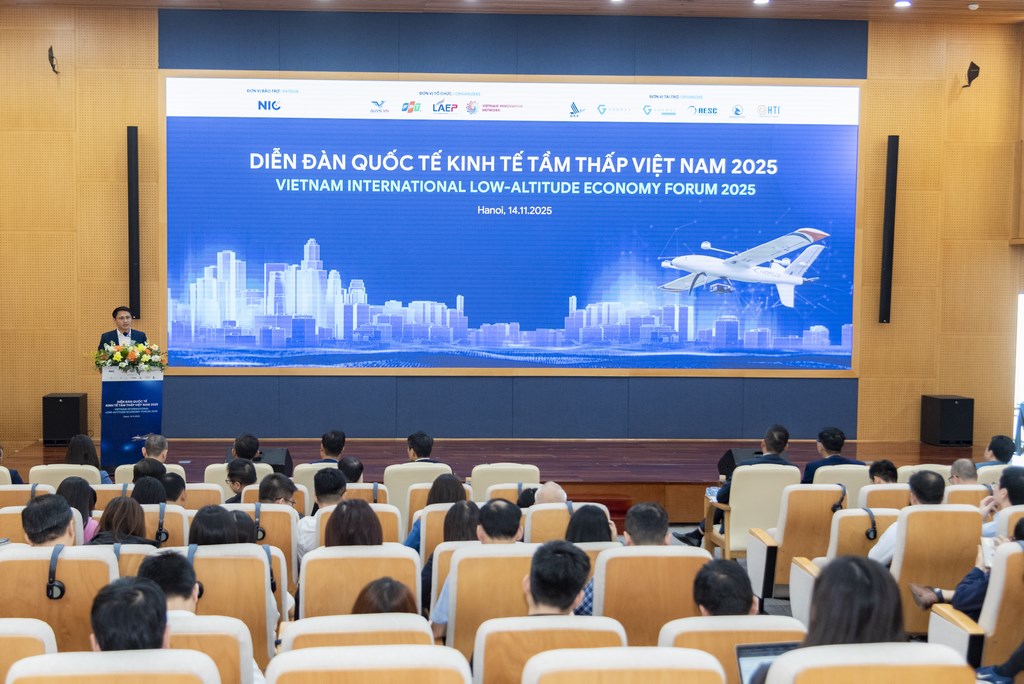

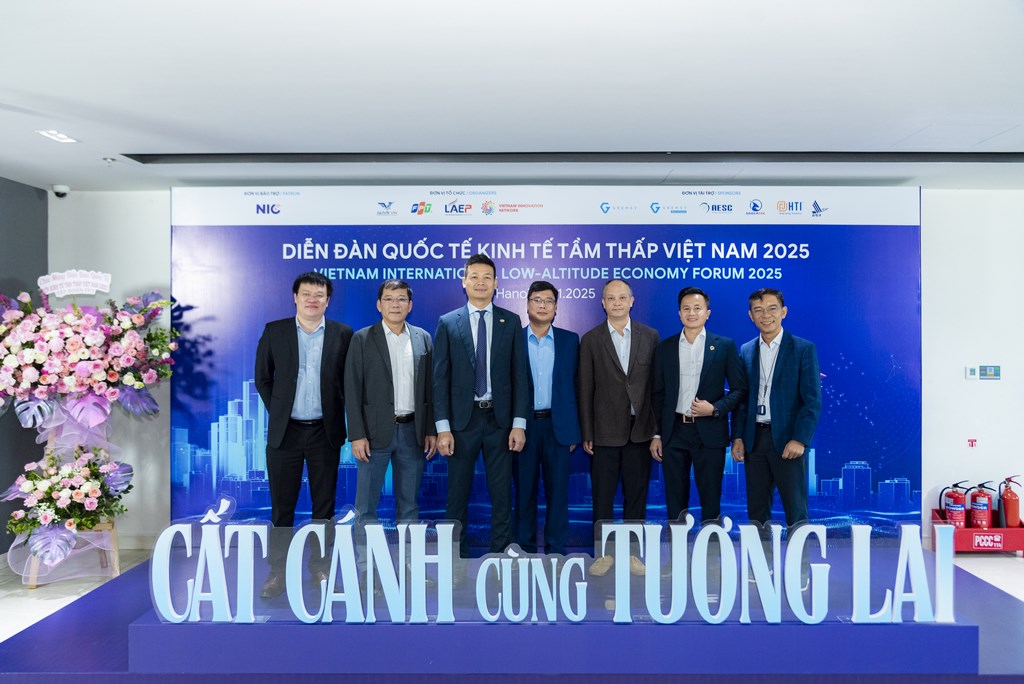
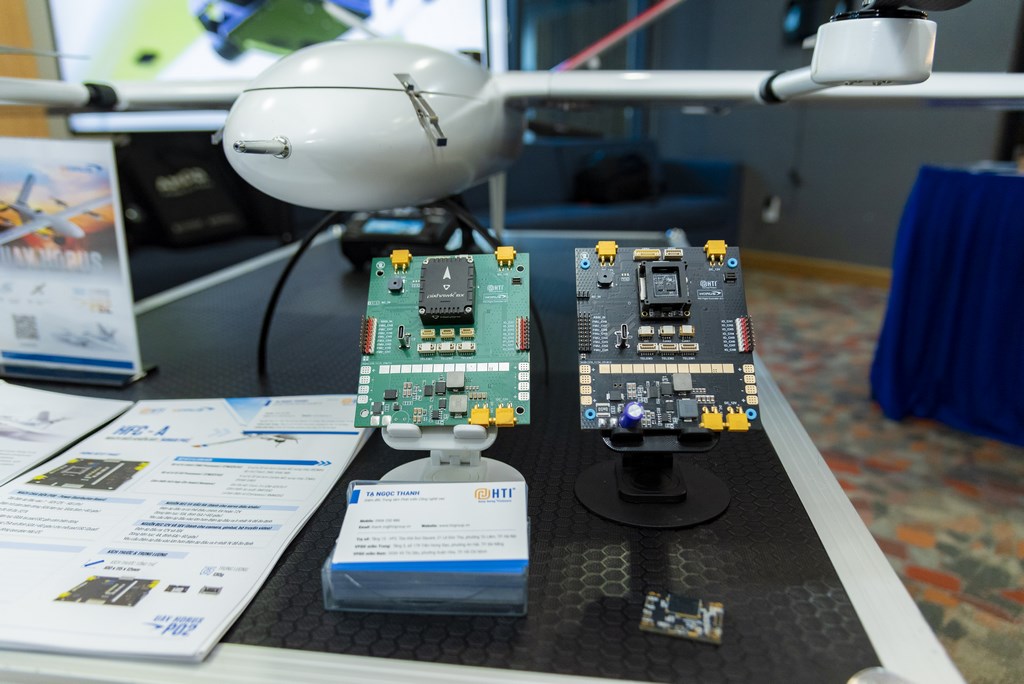

TECHNOLOGICAL CAPABILITIES AND APPLICATION MARKETS
Technological Capabilities
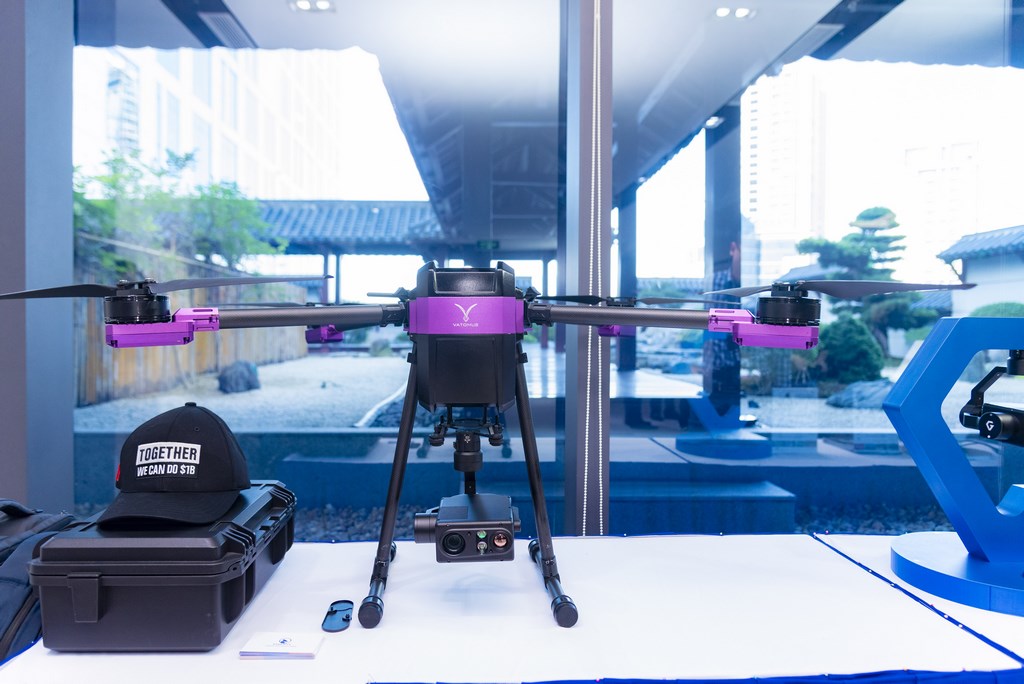
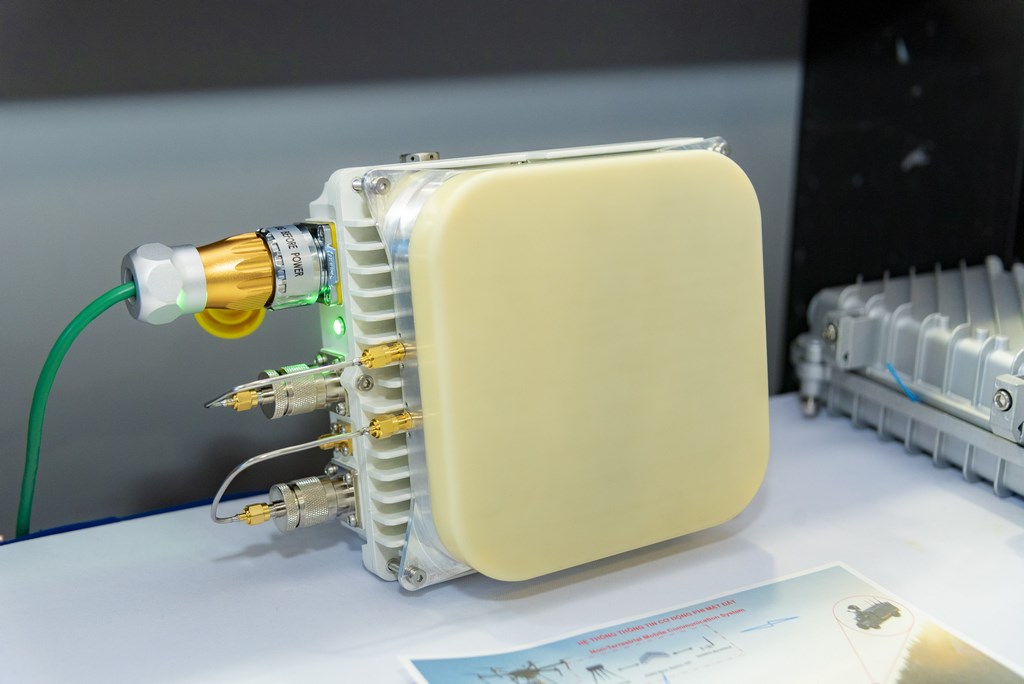
In terms of technological capacity, thanks to recent investments, Vietnam has achieved certain progress in the design, manufacturing of airframes, and integration of UAV systems.
In the military segment, tactical reconnaissance UAV systems, special-mission UAVs, and platforms such as tactical reconnaissance drones and loitering munition UAVs have been showcased at industry events, reflecting advancements in aerodynamics, communications, and payload integration for surveillance (Nhan Dan Newspaper, 2024).
In the civilian segment, domestic enterprises are developing agricultural UAVs (for spraying and seeding), infrastructure monitoring UAVs, and drones for media and surveying purposes. At the same time, they are gradually registering intellectual property, conducting commercial trials, and moving toward export in selected segments.
Application Markets
“Made in Vietnam” UAVs demonstrate strong applicability and effectiveness across various sectors, notably:
– Smart agriculture: UAVs help reduce labor time and costs, optimize the use of agricultural inputs, and minimize exposure to chemicals, thereby improving safety and farming efficiency (Nguyen Thi Hien & Nguyen Hoang Nam, 2024).
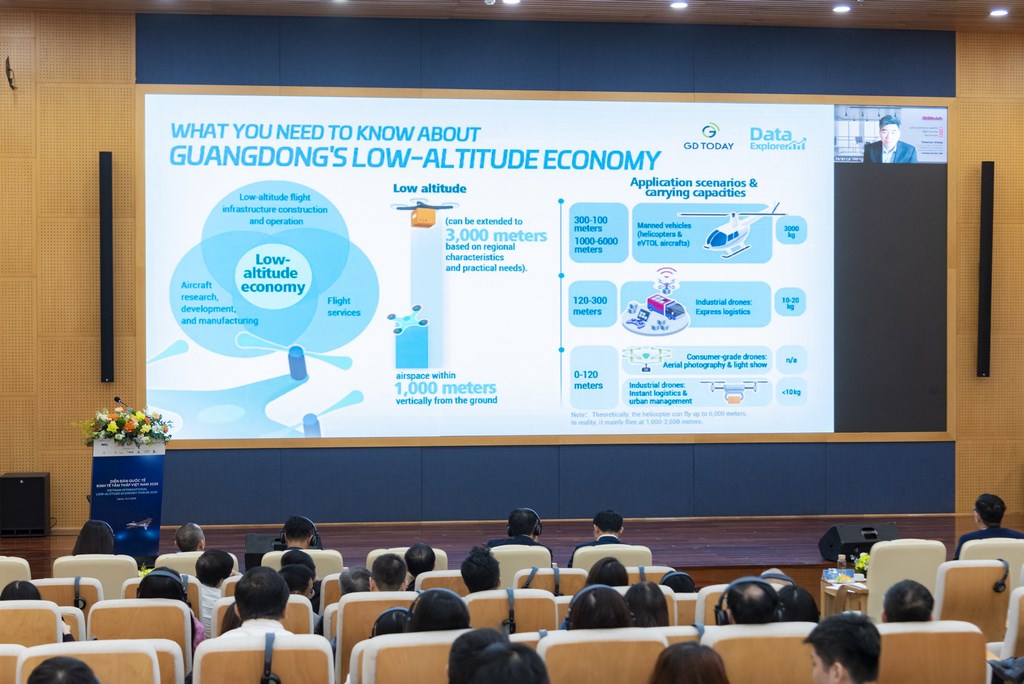
– Logistics and transportation: Low-altitude transport and emergency delivery represent promising pilot applications (especially in hard-to-reach areas), but depend on regulatory frameworks, air traffic coordination infrastructure, and public safety assurance (Nguyen Viet Ha et al., 2023).
– Infrastructure and urban monitoring: UAVs support inspection of power lines, bridges, roads, and construction works, as well as urban order monitoring. Their value lies in rapid data collection, reduced operational risks compared to manual methods, and support for image-based decision-making (Vo Van Hoa et al., 2023).
– Firefighting and search & rescue: UAVs provide situational reconnaissance, hotspot detection, real-time imaging, and delivery of supplies in hazardous conditions. Some specialized products have been introduced with suitable payloads and configurations (Pham Thi Thanh Thu, 2025).
– Other sectors: environmental research, mapping and 3D modeling, resource monitoring, tourism, media, and applications linked to smart city digital transformation.
Policy Framework and Standards
Vietnam previously managed UAVs under strict control regulations due to national security and defense concerns. These policies have since been adjusted to accommodate the rapid growth of civilian UAV usage.
In 2025, the Government issued Decree No. 288/2025/ND-CP (effective from November 5, 2025) to comprehensively regulate UAV research, production, ownership, and operation within Vietnam (Government, 2025).
The Decree expands its scope to both domestic and foreign organizations and individuals, while establishing a management framework based on UAV classification by weight and intended use.
Key Challenges and Requirements
Despite progress, Vietnam’s UAV industry faces multiple challenges in technology, human resources, institutions, and market development:
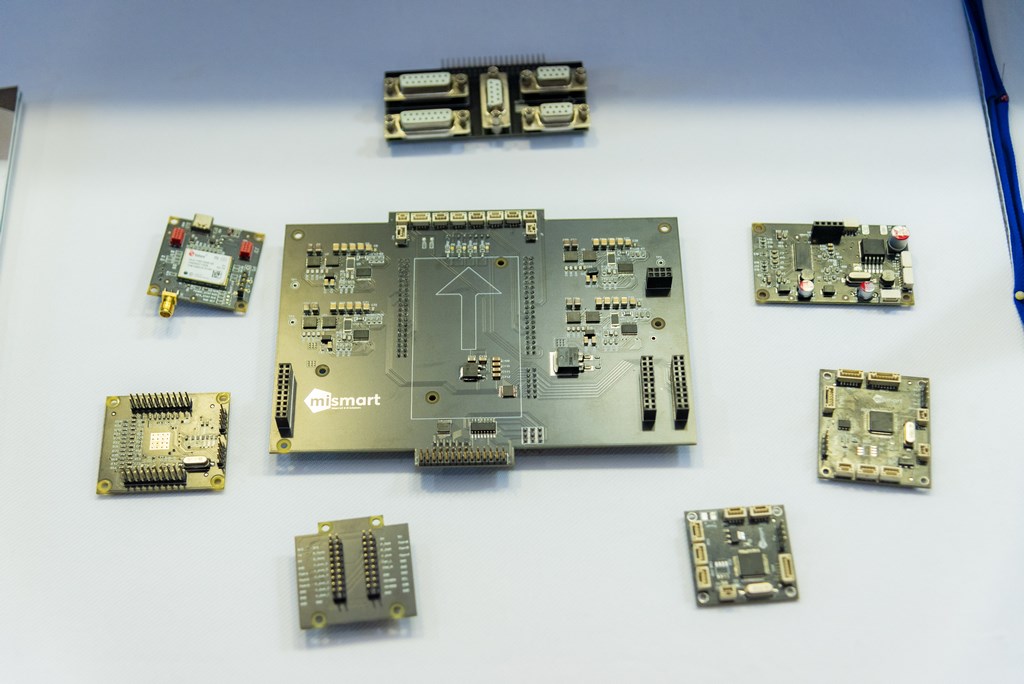
– Core technology and supply chain: Dependence on critical components and sensitive technologies (engines, batteries, chipsets, communications, sensors) increases disruption risks and limits long-term competitiveness. The strategic direction is to prioritize R&D in differentiating components, develop domestic supply chains in technology clusters, and standardize integration interfaces to reduce monopolistic dependencies.
– Interdisciplinary workforce: UAV development requires integration of mechatronics, aerospace engineering, control systems, AI/robotics, and flight safety. It is necessary to expand training programs and certifications, strengthen laboratories, build strong research groups, integrate UAV content into undergraduate and postgraduate curricula, and promote industry-driven internships and research projects.
– Flight safety and airspace management: The rapid increase in UAV numbers raises risks of collisions, restricted airspace violations, and misuse affecting security. Solutions include deploying UAV identification and tracking systems, digital airspace maps, inter-agency coordination procedures, and online licensing mechanisms, alongside strengthening detection and enforcement capabilities in line with Decree 288 (Government, 2025).
– Small market and competition: Imported products benefit from scale, branding, and service ecosystems. Currently, the domestic UAV market in Vietnam remains limited, mainly in agriculture and partially in defense and security. Private customers often prefer imported drones due to lower prices and familiarity. Domestic enterprises should focus on specialized segments (crop-specific agriculture, sector-specific infrastructure monitoring, rescue UAVs), optimize lifecycle costs (maintenance, spare parts), and develop operation services to create sustainable value.
– Financing for long-term R&D: UAV development requires substantial investment and long testing cycles. Mechanisms such as government procurement, co-funding schemes, innovation funds, and testing incentives are needed. Legal frameworks should also be designed for new flight models (logistics routes, smart cities) to balance risk control with innovation promotion.
– International cooperation: While offering opportunities for technology and market access, international collaboration also poses technology transfer barriers. The strategic direction is to diversify partners, align with international standards, enhance intellectual property capabilities, and prioritize localization of critical components.
SUPPORTING:
- Ministry of Science and Technology (MOST)
- Ministry of Industry and Trade (MOIT)
- Department of Security Industry — Ministry of Public Security
- National Innovation Center (NIC)
- Vietnam Low Altitude Economy Alliance (LAE)
- Vietnam Aerospace, Aviation and Unmanned Systems Network (AUVS Vietnam)
- Ho Chi Minh City Semiconductor Microchip Technology Association
- Ho Chi Minh City Economic Science and Management Association
- Semiconductor – AI and IoT Economic Sub-Association (HASEMI)
ORGANIZERS:


COOPERATION ORGANIZATIONS:

MEDIA PARTNERS:
- Vietnam Journal of Science and Technology
- Vietnam Economic Journal
- Automation Today Magazine
- Industry and Trade Magazine